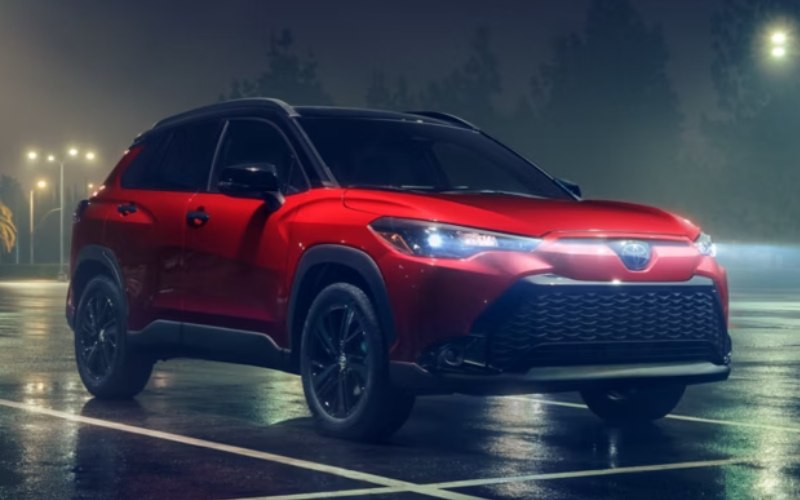
Sebring Toyota - Storm Season near Okeechobee, FL: Why Toyota Hybrids Stand Out over Honda
Daily life around Lake Okeechobee asks a lot from a vehicle. Between long rural stretches on US 27 and SR 70, sudden summer downpours, and the need to be evacuation-ready during hurricane season, efficiency and reliability translate directly into peace of mind. That is exactly why so many shoppers compare Toyota hybrids to Honda hybrids. At Sebring Toyota, serving Lake Placid, Avon Park, and Arcadia, we help drivers choose a vehicle that sips fuel, stays confident on wet pavement, and endures Florida heat without fuss — all while keeping families and gear comfortable for miles at a time.
This blog focuses on hybrid breadth and real-world readiness — not just specs on paper. We compare the Toyota hybrid family to Honda’s hybrid offerings across sedans, compact and midsize SUVs, minivans, and trucks. The goal is simple: help you decide what fits your routes between Sebring and Okeechobee, your weekend plans on the water, and those times when the forecast pushes you to plan ahead.
In short, Toyota’s hybrid lineup is broader, with more all-wheel-drive availability, more body styles, and a track record built on decades of hybrid leadership. Honda fields excellent hybrid sedans and a strong compact SUV, but gaps remain in three-row SUVs, minivans, and trucks for shoppers prioritizing hybrid power.
Here is a high-level look at the distinctions that matter for Heartland Florida driving:
- Hybrid breadth: Toyota offers hybrid power across core nameplates — from compact and midsize sedans to small, midsize, and three-row SUVs, plus a hybrid minivan and hybrid pickups. Honda concentrates its hybrids primarily in the midsize sedan and compact SUV spaces.
- AWD in hybrids: Select Toyota hybrids feature Electronic On-Demand All-Wheel Drive, adding traction for standing water and slick boat ramps. Honda hybrid AWD availability is more limited by model and segment.
- Storm-season range: Toyota’s hybrid system focuses on efficiency and smooth power delivery, helping reduce fuel stops when stations are busy or supplies are tight after a storm.
- Family versatility: Toyota provides hybrid options with three rows and minivan practicality. Honda’s hybrid lineup does not currently span minivans or most three-row SUVs in the U.S.
- Work and play: Toyota hybrid pickups provide serious capability with i-FORCE MAX powertrains. Honda does not offer a hybrid pickup.
Why does this matter near Okeechobee? A longer, smoother, and more efficient drive means fewer stops crossing the open stretches between town centers, better traction when afternoon rains pond on the asphalt, and enough powertrain flexibility to adapt from weekday commuting to weekend towing or hauling.
Breadth of choice is often the tiebreaker for local shoppers. Toyota builds hybrids into vehicles many families already know — Corolla, Camry, RAV4, Highlander, Grand Highlander, Sienna, and more — plus performance-leaning powertrains like i-FORCE MAX in trucks and a hybrid-focused flagship sedan lineup that includes Prius and Crown. Honda’s hybrid strengths center on the Accord and CR-V, along with the return of the Civic Hybrid, which are compelling for commuters but leave fewer hybrid paths if you need three rows, a sliding-door family hauler, or a pickup.
All-wheel drive capability is another practical separator. Wet-season traction around the lake is not about snow — it is about confidence when a sudden shower turns SR 70 glossy or the ramp at the marina feels slick. Toyota’s available Electronic On-Demand All-Wheel Drive on select hybrid SUVs helps send power where it is needed, when it is needed. Honda’s hybrid AWD availability is focused primarily on the compact SUV segment, which helps many drivers, but options are fewer in larger family vehicles and sedans.
Range and resilience matter when forecasts change. Toyota’s hybrid powertrains are engineered for steady efficiency over long distances, which is especially helpful on evacuation routes and during post-storm recovery when traffic crawls or fuel deliveries lag. Regenerative braking helps capture energy in stop-and-go lines, and Toyota’s hybrid battery systems are designed to run reliably in high-heat, high-humidity conditions familiar to Highlands and Okeechobee counties.
Family versatility can be the deciding factor for households that split time between school drop-off, the jobsite, and Saturday runs to the water. Toyota stands apart by offering a hybrid minivan and multiple three-row hybrid SUVs, so you can choose sliding doors for easy loading or an SUV format that suits your gear. Honda’s well-liked minivan and three-row SUV are strong entries in their segments, but hybrid power is not currently part of the formula for those body styles in the U.S., limiting options for families who want hybrid efficiency with maximum cabin flexibility.
Capability for work and weekends is another area where Toyota’s hybrid lineup stands out. With available i-FORCE MAX electrified powertrains, Toyota trucks blend low-end electric assist with robust gas power, supporting towing and hauling with hybrid efficiency. Honda does not offer a hybrid pickup, so shoppers set on a hybrid truck solution have a clearer path with Toyota.
Safety and driver assistance are priorities for drives across US 27 and through afternoon storm cells. Toyota Safety Sense and Honda Sensing both bundle advanced features such as Pre-Collision braking, Adaptive Cruise Control, Lane Departure/Lane Keeping assistance, and more. Toyota’s available Lane Tracing Assist pairs with Full-Speed Range Dynamic Radar Cruise Control on many models to help reduce fatigue in dense traffic or on long straightaways. Honda’s comparable systems are also well regarded. The main difference for shoppers is coverage across the lineup — Toyota integrates Toyota Safety Sense broadly, including on many hybrid trims across multiple body styles, so you can keep the same familiar safety feature set as you move up or across the Toyota family.
Tech and cabin experience help on long heat-index days. Toyota Audio Multimedia supports available Wireless Apple CarPlay and Android Auto integration on many models, and thoughtful touches — from ventilated seat availability to durable interior materials — help your cabin stay calm and organized when rain bursts pass and the sun returns. Honda’s infotainment and seating solutions are strong too, yet Toyota’s consistency across a wider hybrid portfolio means you can find your ideal mix of features in more sizes and shapes.
Long-term confidence matters in Florida heat. Toyota’s hybrid expertise spans decades, and that experience shows in system durability, cooling strategies, and battery management. Toyota also backs hybrid components — including the hybrid battery — with robust warranty coverage on modern models. This is the kind of support that makes sense for drivers who keep vehicles for many years and many miles of Heartland commuting.
If you are weighing your next step, use the checklist below to match features to your life near the lake and across the Heartland. It filters the comparison through real routes and real weather.
- Daily drive: Consider typical miles between Sebring and Okeechobee, plus how often you idle in construction or storm traffic. Hybrids shine when the day is long and the pace varies.
- Surface mix: Think about wet pavement, sandy shoulders, and slick ramps. Hybrid AWD availability in Toyota SUVs can add confidence without a big efficiency penalty.
- Family fit: Need sliding doors, three rows, or flexible cargo? Toyota’s hybrid minivan and three-row options give you more ways to seat everyone and still bring the cooler and rods.
- Towing and hauling: From yard projects to a small boat, Toyota hybrid trucks and select hybrid SUVs deliver the muscle, with electric assist that helps off the line.
- Feature familiarity: If you love a specific safety or infotainment setup, Toyota’s broad hybrid lineup makes it easier to keep that same experience as you change sizes or body styles.
At Sebring Toyota, our team understands the realities of driving in Highlands and Okeechobee counties — the sudden downpours that turn dry lanes into mirror-finish asphalt, the long runs on US 27, and the occasional need to load up and go when the forecast shifts. We will walk you through Toyota’s hybrid lineup side by side so you can feel the difference in acceleration, braking, visibility, and tech without guesswork.
When you are ready, we will help you choose the right Toyota hybrid for your routes — whether that is a compact sedan for solo commuting, a small SUV for wet-week confidence, a three-row hybrid for full-family duty, or a hybrid truck for projects and play. Then our Toyota-trained technicians and Genuine Toyota parts keep your vehicle performing its best for miles to come. Visit us at 404 U.S. Highway 27 N in Sebring — a direct shot from Okeechobee — and let us help you get hurricane-season ready, lake-weekend ready, and everyday ready.
Frequently Asked Questions:
Which brand has more hybrid choices for families near Okeechobee?
Toyota. Our hybrid lineup spans sedans, small and midsize SUVs, three-row SUVs, a hybrid minivan, and hybrid trucks. Honda’s hybrid strengths are centered on midsize sedans and compact SUVs, with fewer hybrid options for minivans, most three-row SUVs, and pickups.
Can I get all-wheel drive with a Toyota hybrid for Florida’s wet roads?
Yes. Select Toyota hybrids offer Electronic On-Demand All-Wheel Drive, which enhances traction on rain-slick pavement and at boat ramps without sacrificing the benefits of hybrid efficiency.
How do Toyota Safety Sense and Honda Sensing compare in heavy traffic or evacuations?
Both suites offer advanced features like Pre-Collision braking, Adaptive Cruise Control, and lane-support functions. Toyota Safety Sense is widely available across Toyota hybrid models, often with Lane Tracing Assist and Full-Speed Range Dynamic Radar Cruise Control for smoother, less fatiguing travel during long, slow-moving traffic.
Are Toyota hybrids good for towing small boats to Lake Okeechobee?
Yes. Depending on the model, Toyota hybrids — including hybrid trucks and select hybrid SUVs — can be well-suited for towing smaller boats. We will help match the right Toyota to your trailer weight and gear.
How does Toyota support long-term hybrid ownership in Florida heat?
Toyota’s hybrid systems are engineered for durability, with battery management and cooling designed for demanding conditions. Modern Toyota hybrids also include strong hybrid component warranty coverage for added peace of mind.
Can I test-drive multiple Toyota hybrids in one visit?
Absolutely. Our team will line up a thoughtful comparison drive so you can experience acceleration, braking feel, visibility, and tech across several Toyota hybrids on the same day. It is the easiest way to pick a favorite for your routes between Sebring and Okeechobee.
Ready to compare in person? Visit Sebring Toyota at 404 U.S. Highway 27 N in Sebring, or contact our sales team to set up a side-by-side hybrid test drive. We are here to help you choose the Toyota that makes sense for storm season, lake season, and every season in between.