Sebring Toyota - Which truck’s hybrid works harder around Arcadia, FL — the 2026 Toyota Tundra or the 2026 Ford F-150?
Hybrid power has changed what a full-size pickup can be, and two names lead many shortlists: the 2026 Toyota Tundra and the 2026 Ford F-150. Around Arcadia, FL, drivers want confident towing help on county roads, clear technology that takes the stress out of backing trailers at crowded boat ramps, and durability that handles hot, humid days without complaint. This guide breaks down how each truck’s hybrid system, towing tech, and day-to-day usability stack up so you can choose with confidence.
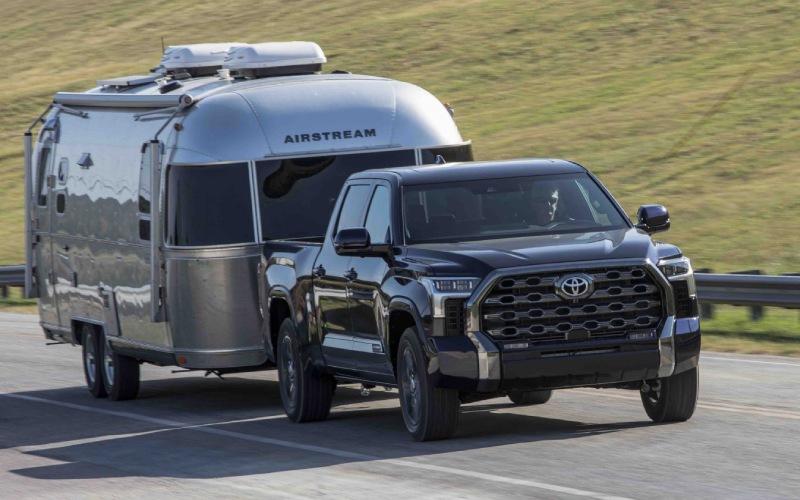
Toyota’s available i-FORCE MAX hybrid pairs a twin-turbo V6 with an electric motor for a robust 437 hp and 583 lb-ft of torque. That extra torque down low is a difference you feel when rolling out from a stop with a trailer and when nudging a boat up a slick ramp. Ford’s available 3.5L PowerBoost hybrid is strong, too, rated at 420 hp and 570 lb-ft. For headline towing, Ford’s broader line reaches an impressive 13,500 lbs on select gas configurations, while the PowerBoost hybrid is rated up to 11,600 lbs when configured properly. Tundra’s lineup reaches a 12,000-lb max tow rating when properly equipped and brings specialized towing aids that are deeply integrated into the core displays, which many local owners appreciate for simplicity.
Hybrid power, real-world feel
On paper, both hybrid powertrains deliver big numbers. In the real world, their personalities differ. Tundra’s i-FORCE MAX responds quickly, pulling hard from low rpm and maintaining steady pace up rolling grades on SR-70 without hunting for gears. The system’s calibration is tuned for predictable pedal response with or without a trailer attached, and the 10-speed transmission helps keep the engine in its sweet spot. Ford’s PowerBoost also feels quick and can maintain highway speeds confidently, but the Toyota’s tuning emphasizes smooth initial pull—just what you want when guiding a loaded trailer out of a gravel driveway or edging a camper into a tight site at a campground.
This low-speed control is where hybrid torque really earns its keep. Combined with Tundra’s multi-link coil-spring rear suspension, bumps are better absorbed and the truck stays planted, translating to fewer corrections through the steering wheel while towing. Ford’s hybrid rides well and offers numerous suspension setups depending on trim, yet Tundra’s rear suspension design stands out for composure across uneven surfaces and washboard access roads common near local trailheads.
Towing tech you can trust
Toyota builds thoughtful towing tech into Tundra so owners spend less time menu-diving and more time concentrating on the task in front of them. The available Panoramic View Monitor stitches images from front, side, and rear cameras, presenting a top-down perspective to help line up a coupler or judge curbs when parking. Trailer Backup Guide with Straight Path Assist uses camera and steering inputs to help keep a trailer on a true line when reversing—hugely helpful at busy ramps along the Peace River or when you’re squeezed between trucks at a popular launch site.
Ford counters with robust tools of its own, including Pro Trailer Backup Assist and a 360-degree camera system, and adds available BlueCruise for hands-free highway driving on designated segments—a plus for long hauls. Both brands field capable systems, but Tundra’s camera presentation and trailer-assist workflow feel especially intuitive for quick hookups and high-precision backing without extra fuss.
Durability and everyday utility
Toyota’s standard aluminum-reinforced composite bed is a practical advantage for owners who toss in gear daily. It resists dents and corrosion, which matters when you’re carrying wet coolers, bait buckets, or pressure-treated lumber. You avoid the cost and downtime of aftermarket liners and can rinse and go. Inside, Tundra’s available 14-in. Toyota Audio Multimedia touchscreen serves as a clear nerve center for cameras and trailering functions, while the available 12.3-in. digital gauge cluster puts towing data front and center.
Ford’s interior tech is crisp and capable, with a 12-in. center display and available Head-Up Display, plus smart storage and work-surface options. For bed work, Ford offers helpful accessories and power availability through Pro Power Onboard. If your day revolves around portable tools, Ford’s onboard power can be a difference-maker. If your day is an ever-changing mix of hauling, rinsing, and reloading, the Tundra’s composite bed is simply easier to live with over the long haul.
Which hybrid is right for Arcadia-area owners?
Here’s how to frame the decision if your daily life moves between towing, weekend getaways, and tool-carrying errands. Both trucks can handle a wide range of tasks. The Toyota’s hybrid power, suspension composure, and camera-backed towing aids tilt the scales for those who value smooth low-speed control and simple, durable solutions. Ford’s hybrid brings strong capability and advanced long-haul driver tech. Your sweet spot depends on how often you tow, whether bed durability is a must-have, and how you prefer your driver-assist features to behave in the background.
- Hybrid output feel: Tundra’s i-FORCE MAX emphasizes early torque for smooth launches; Ford’s PowerBoost is strong and steady at speed.
- Towing interface: Tundra’s Panoramic View Monitor and Straight Path Assist make hookups and backing straightforward; Ford’s tools are effective with a slightly different workflow.
- Bed durability: Tundra’s composite construction resists dents and rust; Ford offers traditional steel with protective options.
- Ride and stability: Tundra’s multi-link, coil-spring rear suspension helps maintain composure on uneven surfaces common around launches and trailheads.
- Highway convenience: Ford’s available hands-free BlueCruise can ease long, mapped highway stretches; Toyota focuses on consistent, driver-centered assistance.
If you’re towing a bass boat up to Lake Istokpoga, guiding a small livestock trailer to the fairgrounds, or just need a truck that stays calm when loaded, the Tundra’s hybrid system and chassis tuning deliver the kind of steady control that reduces stress. Add the intuitive camera views and trailer-steering assist, and it’s a package that makes the most difference where owners feel it—at low speeds, in tight spaces, and on imperfect surfaces.
Frequently Asked Questions:
Does the Tundra hybrid tow as much as the F-150 hybrid?
The F-150’s hybrid is rated up to 11,600 lbs when configured properly, while the Tundra lineup reaches a 12,000-lb max tow rating when properly equipped. For many owners, how smoothly a truck manages starts, stops, and tight backing is as important as a headline number—areas where Tundra’s hybrid and suspension tuning excel.
Which truck has more helpful camera views for trailering?
Both offer surround-view systems, but Tundra’s available Panoramic View Monitor provides a top-down stitched image that makes lining up and maneuvering with a trailer feel natural. Toyota’s Trailer Backup Guide with Straight Path Assist also simplifies reversing in a straight line.
How do the beds compare for daily use?
Tundra’s bed uses an aluminum-reinforced composite that resists dents and corrosion, making it easy to rinse and reuse. The F-150 uses steel with optional liners and accessories. If you’re frequently loading wet, heavy, or abrasive items, Tundra’s bed offers long-term peace of mind.
Which hybrid feels quicker in everyday driving?
Both feel strong, but the Tundra’s i-FORCE MAX delivers particularly quick, smooth low-speed torque that helps when launching a boat or easing a trailer into place. The F-150 hybrid feels confident at speed and on the highway, with a slightly different character.
When you’re ready to feel the difference, a careful test drive with a trailer is the best way to decide. Sebring Toyota can help you set up a route that includes highway merges, neighborhood turns, and a safe practice area for backing so you can judge hybrid response and visibility where it counts. We’re serving Arcadia, Lake Wales, and Wauchula with guidance tailored to the way people around here really use their trucks.