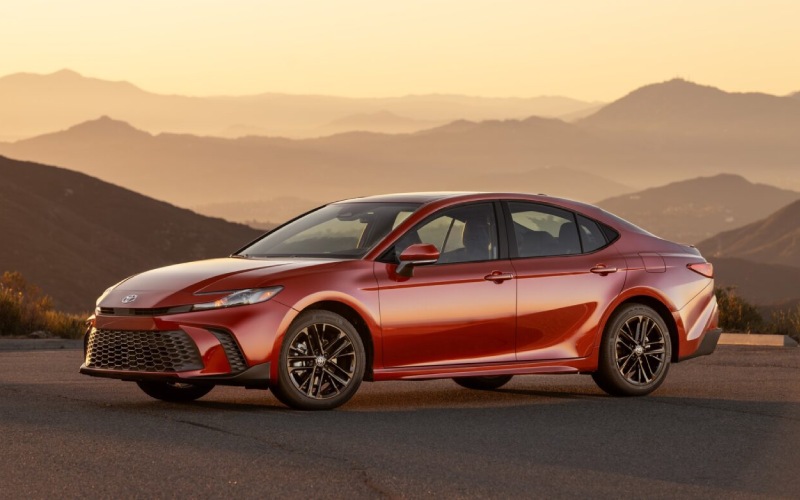
Sebring Toyota - Which sedan packs more real-world driver-assist smarts — 2026 Toyota Camry or 2026 Honda Accord — for Lake Placid, FL commuters?
When you’re weighing driver-assistance features for an everyday commute around Lake Placid, FL, the question usually comes down to more than a spec sheet: Which sedan actually helps you feel calmer and more confident from driveway to destination? That’s where the 2026 Toyota Camry and 2026 Honda Accord take different routes to a similar goal. Both make advanced safety tech standard, both offer crisp, modern cabins, and both let you keep your hands on the wheel while useful systems work in the background. But there are several practical differences that matter on real streets and highways, especially if your daily drive includes a mix of two-lane routes, divided highways, and the occasional rain-slick detour.
Toyota Safety Sense™ 3.0 is standard on every 2026 Camry and brings a familiar set of features tuned for natural feedback: Pre-Collision capabilities, Lane Departure Alert with Steering Assist, Lane Tracing Assist to help keep you centered, and available Traffic Jam Assist that can support steering and speed in low-speed congestion. A Standard Blind Spot Monitor (BSM) and Proactive Driving Assist help with those small, everyday moments—like easing off the throttle when a curve tightens or when a vehicle in front slows unexpectedly. Honda Sensing® is also standard across the Accord lineup, including Collision Mitigation Braking System™, Road Departure Mitigation, Adaptive Cruise Control with Low-Speed Follow, Lane Keeping Assist with Traffic Jam Assist, and a Blind Spot Information System on select trims. The feature lists look similar, yet the Camry’s all-hybrid platform and available Electronic On-Demand All-Wheel Drive give Toyota more room to integrate traction and speed control with its steering and braking support when the weather turns or a painted line feels slick.
On crowded commutes, how these systems communicate is just as important as what they can do. In Camry, visual cues on the available 12.3-inch Digital Gauge Cluster and optional Head-Up Display are easy to interpret at a glance, and gentle steering inputs from Lane Tracing Assist feel consistent. In Accord, the digital instrument cluster is clear, and the Touring Hybrid’s Head-Up Display places lane guidance and Honda Sensing® status in your line of sight. Both systems can reduce fatigue, particularly when paired with adaptive cruise control in stop-and-go traffic. But the Camry’s hybrid smoothness and available AWD tend to reduce the number of small course corrections you need to make on uneven or damp pavement—exactly the kind of confidence booster that pays off across an entire week of commuting.
Connectivity helps, too. Camry’s Toyota Audio Multimedia system supports wireless Apple CarPlay and Android Auto and offers an available 12.3-inch touchscreen; voice control is quick, and the available 9-speaker JBL® Premium Audio System provides a clear soundtrack for the drive. Accord counters with wireless Apple CarPlay as standard across the lineup, wireless Android Auto on 12.3-inch screen trims, and Google built-in on the Touring Hybrid for native mapping and voice assistance. Both let you leave the cables at home, both surface alerts and directions cleanly. If you prize a native Google environment, Accord’s top trim scratches that itch. If you want a cohesive Toyota interface end to end, the Camry delivers that feeling across multiple trims with a familiar layout and responsive voice prompts.
Road manners round out the driver-assist story. The Camry’s hybrid powertrain supplies immediate, measured torque—perfect for rolling starts when a light turns green and for tidy merges into brisk traffic. The 4-Mode Drive Switch lets you choose Normal, Eco, Sport, or EV Mode for short, low-speed electric-only travel when conditions allow. Accord’s hybrid models feel strong off the line as well, with deceleration selectors that let you tailor regenerative braking to your liking. Where Camry extends its advantage is in traction: available Electronic On-Demand AWD can send power rearward the moment front slip is detected, a capability that makes a tangible difference when afternoon showers turn a smooth surface into a slick one. For drivers who mix urban errands with early departures and late returns, that quiet layer of control matters.
For shoppers comparing these sedans from multiple angles, here’s how the daily reality typically shakes out:
- Driver-assist integration: Both are comprehensive, but Camry’s Toyota Safety Sense™ 3.0 pairs especially well with the all-hybrid platform’s smooth torque and available AWD for steadier lane-centering feedback on damp or uneven pavement.
- In-cabin clarity: Camry’s available Head-Up Display and 12.3-inch gauge cluster make it simple to read guidance and alerts; Accord’s Touring Hybrid offers a Head-Up Display and clear cluster layouts as well.
- Traction advantage: Only Camry offers available Electronic On-Demand All-Wheel Drive, adding grip when a summer shower leaves standing water near intersections or on freshly paved stretches.
For a layered look at how each driver-assistance suite behaves, try back-to-back drives over the same route: a few miles of surface streets, a highway stretch with a lane change or two, and a brief stint in slower-moving traffic. Turn on the relevant features, note how each car communicates through the wheel and displays, and pay attention to how relaxed you feel after 20 minutes in the seat. That subjective calm is usually the best indicator of long-term satisfaction.
One more consideration: how the rest of the car supports the tech. The Camry’s cabin tuning for low noise makes subtle alerts easier to hear and thoughtful design reduces visual clutter around the screens. Accord’s interior is equally modern and soothing, with a wide mesh accent line and clean ventilation layout that carries through the dash. Both do a commendable job of giving the tech room to breathe—an underrated win when you’re scanning for information multiple times per minute.
If you’re deciding between these two, especially for everyday driving where calm, consistent assistance matters, the 2026 Camry’s available AWD and all-hybrid tuning make its safety and driver-assist features feel deeply integrated. That’s the kind of benefit that’s tough to see on paper but easy to notice after a week behind the wheel. When you’re ready to test it for yourself, connect with Sebring Toyota to map a short drive loop that mirrors your commute and evaluate the systems in conditions you actually encounter.
Frequently Asked Questions:
Do both sedans include Traffic Jam Assist?
Yes. The Camry offers available Traffic Jam Assist within Toyota Safety Sense™ 3.0, and the Accord includes Traffic Jam Assist as part of Honda Sensing®.
Which model offers all-wheel drive with its driver-assist systems?
Only the 2026 Camry offers available Electronic On-Demand All-Wheel Drive; the Accord is front-wheel drive across gas and hybrid trims.
Can I get a Head-Up Display on either car?
Yes. The Camry offers an available Head-Up Display, and the Accord includes a Head-Up Display on Touring Hybrid.
Our team is serving Lake Placid, Avon Park, and Arcadia with thoughtful test routes and clear explanations that help you choose the right safety and driver-assist balance for your driving style. If your priority is a calm commute with confident traction when the weather changes, start your search with the Camry and see how naturally the systems support you in real-world conditions.